Inhaltsverzeichnis
One of the first things you need to do is test your chemicals and get those numbers balanced fast, before yucky nuisances like algae threaten to take over. In that case, you may have landscape and structure damage, contaminated water, and various other concerns that come with a flooded yard. Our commitment to quality and customer service will not be beat.
- In flush or zero edge pools, the water reaches the limit of the wall, flushes with the edge beyond, before falling by gravity into a slot and reaching the overflow tank.
- Rent what you need to get the job done, or pay a professional if necessary.
- Here is a link to construction pictures of the above pool.
- Some swimming pool systems may feature pool overflow systems channeled to rainwater collection barrels or tank systems within the property.
This system, Inbeca have been able to execute a new project in the manufacture of stainless steel swimming pools. If you live very close to any city drainage structure, the contractors may have channeled the pool overflow into it. If there are any pipes around your property with water flowing out after your pool overflows, that’s the destination of the pool overflow. Ensure it’s channeled into a corner of the yard where it won’t be a problem for your landscaping or leave neighbors unhappy. This elaborate system is efficient at keeping your swimming pool from overflowing, but it typically has to be installed during the construction of a pool. Some contractors can install such a system for an existing pool, but it will cost a significant sum.
Use a submersible pump
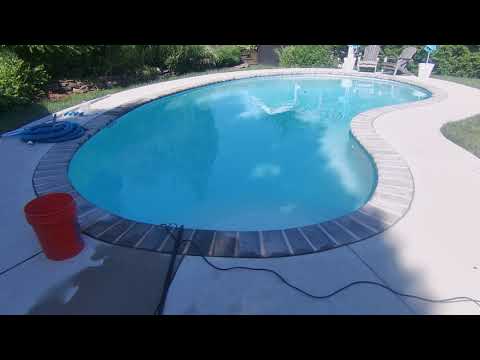
So let's go over how to drain and lower water from your pool after rain, and I'll give you three tips to prevent your pool from overflowing in the future. Outdoor swimming pool that was to leave some garden and planting space for the clients, but could provide a pool area large enough for a family to enjoy. In this pool, an infinity solution was implemented in part. The outer wall is lower and pool water flows on this wall like a waterfall into the lower-lying level deck gutters.
tips to prevent your pool from overflowing
Simply connect a garden hose to the spigot, take the other end of the hose to the drain, open up the spigot and the pump should do the work. If your pump has a overflow pool drainage spigot, this will be even easier than siphoning the water. Lastly, you will take the covered end to the drain and open the hose up to start emptying water. But first you will need to figure out what drainage area you need to use and if it can handle the amount of water you are about to remove. Also check your city regulations to see if they have any specific rules regarding pool drainage.
The pipes from the drain are hidden away from sight and channeled into the drainage pit—which is typically up to 3 ft (0.91 m) deep and wide. If your swimming pool is one of those designed with a filtration tank that can hold and recycle excess water, the pool overflow will go to the tank. The tank’s filtration system will then process the water to get rid of debris and bacteria before it is pumped back into the pool when necessary. The traditional overflow pool is made with a whole perimeter overflow channel.
A swimming pool overflow drain is important because it ensures the water inside the pool is at the optimum level. Maintaining the right level of water is important to ensure a balance in the pool chemistry. The drain also reduces the risk of flooding nearby areas. The newest type of pools now are perimeter overflow pools.
